There are 6 major assignments this summer in HIS 3310:
- Engagement (20%): Completion of previewing activities, end-of-module blog posts (plus peer comments), and mini-lecture reaction activities on Google Docs.
- Readings Choice (32%): Weekly reactions to course readings using “Key Reaadings” and “Choice Readings” reactions sheets (Assignments A & C)
- Digital Activities (8%): Completion of tasks via digital tool products (Assignment B)
- Film/Book Review (10%): Film/book review of in a digital tool format
- Sporting Event Cultural-Critical Analysis (10%): Complete form on Schein’s “Three Levels of Culture” by attending a sporting event
- Final Exam Product (20%): Personal reflection and critical analysis on a topic of your choice informed by course readings & assignments in HIS 3310.
Total=100 pts.
All assignment deadlines are on the HIS 3310 Google Calendar >> click here
Grading Scale
- A 100-93 / A- 92-90
- B+ 89-87 / B 86-83 / B- 82-80
- C+ 79-77 / C 76-73 / 72-70
- D+ 69-67 / D 66-63 / D- 62-60
- F = 59 or lower
ASSIGNMENTS [with some handouts]
1. Class Engagement (preview & closing activities)
Being engaged is more than just completing assignments — no one likes classes that are just busy work! However, it’s ideal to complete the assignments in a particular order.
- Begin with the pre-module activity (or activities).
- Then, watch the module mini-lectures, and go to AsULearn to complete the reaction sheet (Google Doc). Aim to complete shortly after the module opens up on Mondays (first module opens on Tuesday May 27).
- When you’re finished with all the readings and assignments — at the end of each module — reflect on the module by writing a blog post (with peer comments) on the HIS 3310 WordPress site.
- BLOG POST DUE DATES: each week, ideally by Fridays, but no later than by Sunday at 11:59pm.
- Two peer Comments (2) due dates – no later than by the following Tuesdays since you have to wait for classmates to post their blog posts.
Important! The blog posts are your final word on each module, which means it will be assessed in a summative way. Use your Weekly Readings Analysis work (required and choice readings), as well as the Mini-Lectures Reaction sheets, as “raw material” to write your summative blog posts.
Note: Engagement means offering two (2) focused comments to your classmates’ blog posts that shows you paid attention to their reactions and added to the conversation.
2. Readings Choice (weekly assignments A & C)
Each week, you will have a series of “Key Readings” – all required – that will take you anywhere from 10-60 minutes to complete while also taking notes. Some readings are actually podcasts, videos, or other media.
Read each of the weekly readings. Better yet, learn how to scan effectively. For longer journal articles and book chapters, try to read for about 30-45 minutes and spend another 10-15 minutes jotting down some notes (quotes, interesting points, “a-ha” moments, etc). In other words, don’t read word-for-word. Learn how to quickly scan for the topic, argument, evidence or sources, and conclusion. [Read this short article for ideas]
In addition, each week you will have two more types of readings: “Choose Your Reading (select one from several options) and “Short Bite Readings” (select one from several options).
Once you’re finished reading and taking notes, use them to complete two (2) readings assignment analysis templates – one for “Key Readings,” and another for “Choice Readings” (one Choose Your Own and one Short Bite). Templates are a bit different for each module. They are linked – by module – on AsULearn.
Important! Use your Weekly Readings Analysis work to help you write your summative end-of-module blog posts.
DUE DATES: each week, aim by Fridays, but no later than by Sunday at 11:59pm.
The key to this assignment is to analyze the readings as a whole as they relate to the theme for the week. Your submissions should NOT be structured as an article-by-article, point-by-point summary.




3. Digital Activities (weekly assignment B)
Each module contains an interactive digital tool with a specific assignment explained. Submitting your assignment will be on the digital tool explained in the module – not on AsULearn. The idea is to interact as a class in a primary-source multimedia environment. DUE DATES: each week, ideally by Fridays, but no later than by Sunday at 11:59pm.
4. Book/Film Review Analysis
Students will select either a book or movie focused on sports. The idea is to analyze how the medium (book or TV) affects research, arguments, selection of sources, and storytelling.
You can click below for examples of a formal (academic) book or film review. The instructor will ask for your titles at the midway point of Summer Session 1, around June 9. The final Book/Film analysis assignment will be submitted on AsULearn. FINAL DUE DATE: no later than by June 25
Nutshell: A solid book/film review does the following: provides a brief background of the topic, a condensed summary of how well the book/film engages with the topic, an explanation of the authors’/directors’ main argument, particular critiques of the book/film (what worked well, where it fell flat or seemed confusing), and a final assessment of the merits of the book/film for our understanding of sport history (… and maybe who is the book’s/film’s potential audience).


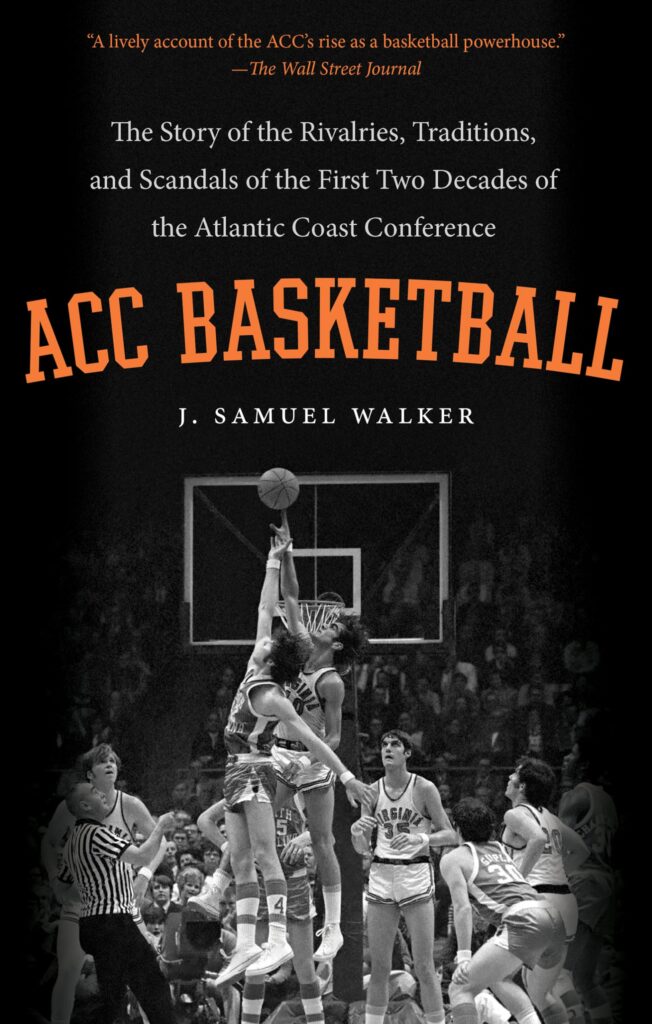
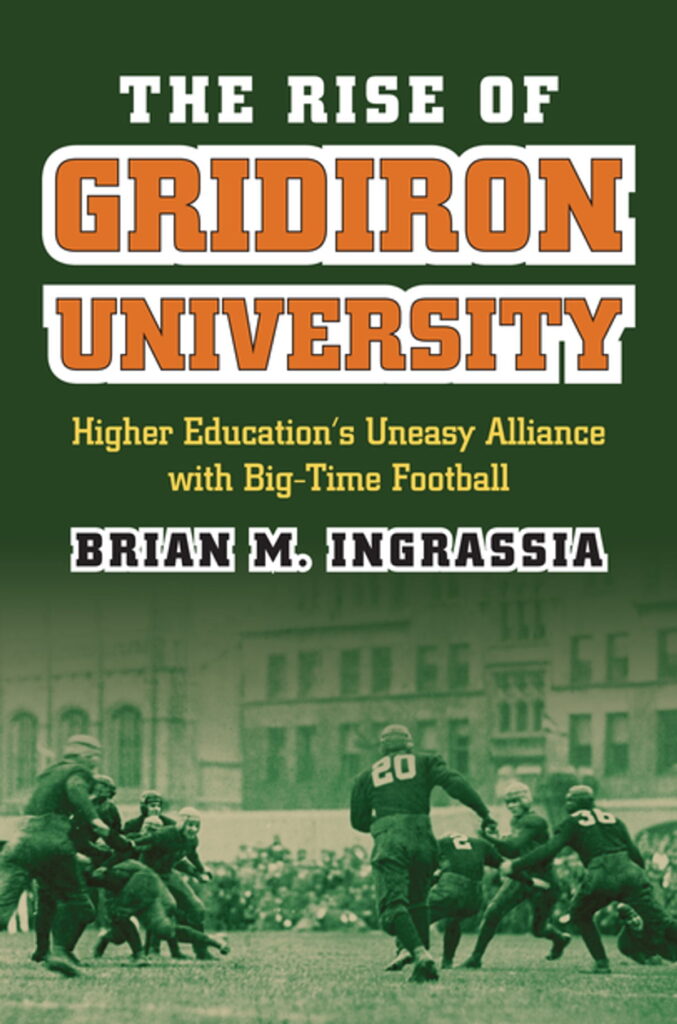
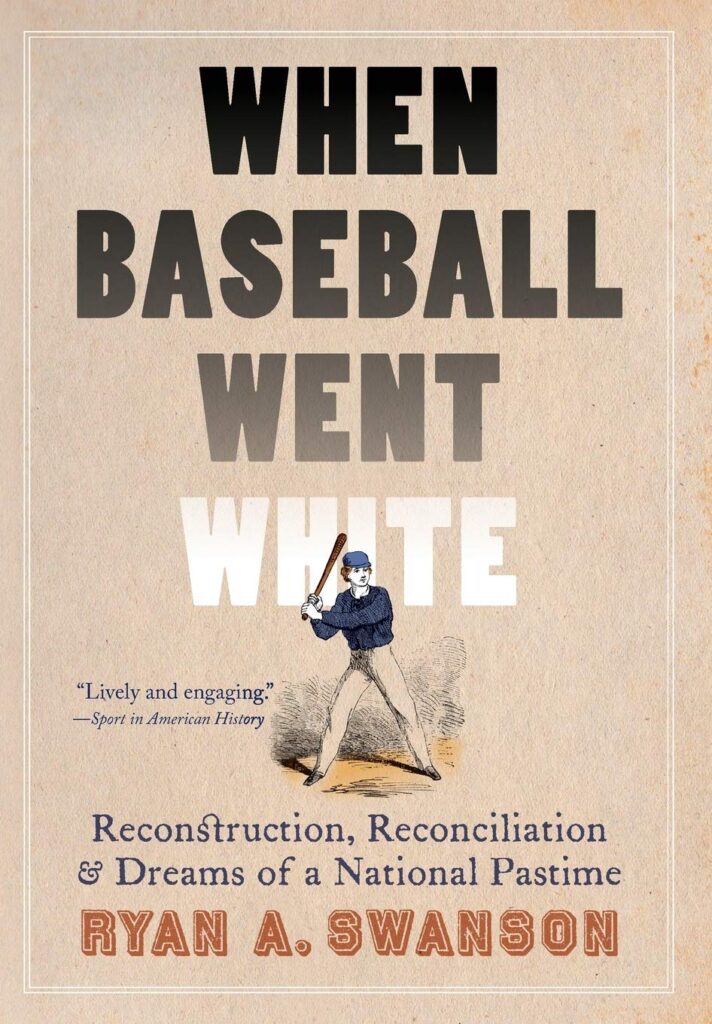

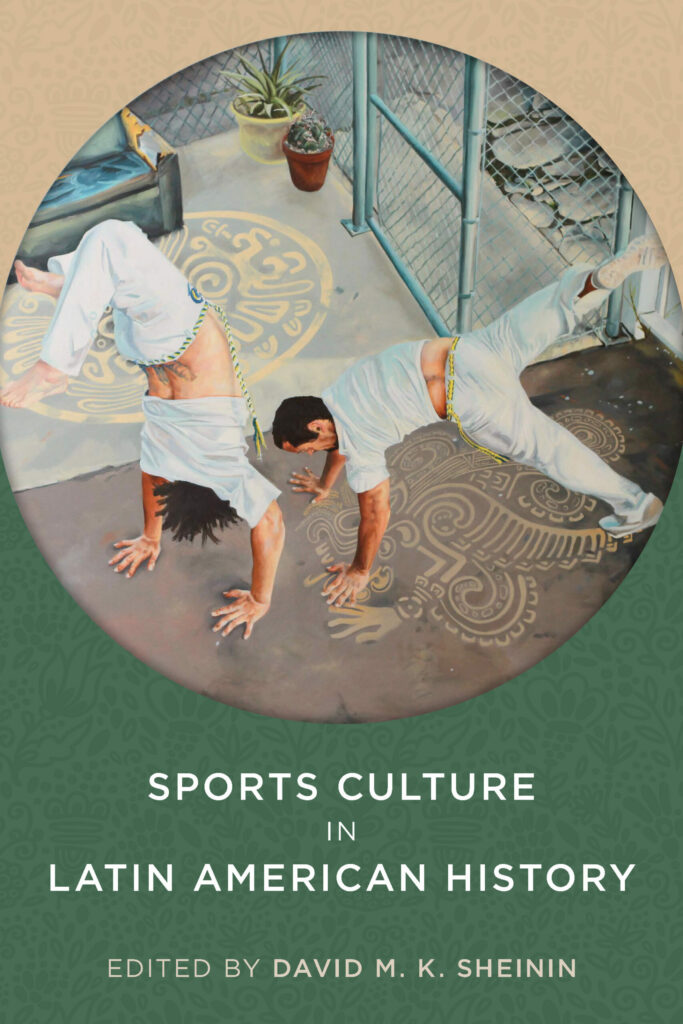
Books: Above are some sample academic books on sports to choose from, but you can select any from the HIS 3310 Amazon page (other than the course textbooks) and from the Books By Sports page on the course website. Please check with Belk Library about any books they have accessible as e-versions; however, you can probably find inexpensive copies online as well. Contact me as soon as possible if you run into a problem.
Film: Must be a 60-120 minute sports documentary (ESPN 30 for 30, for example) on any sport, in any part of North and South America. Sports documentaries are available on Netflix, ESPN+ (Disney+), Amazon Prime Video, Paramount+, Apple TV+, and HBO Max. Belk Library might have some as well to check out. You can also find free documentaries on YouTube, but their quality is very uneven. One free documentary on American soccer is: Soccertown USA. >> Highly recommend ESPN+. 30 for 30 and ESPN Films are well-made documentaries, with a variety of sports, countries, and time periods in the history of the Americas.
- Although I encourage you to look at Hollywood sports films (Hoosiers, Boys in the Boat, McFarland USA, Remember the Titans, etc.) with a critical eye, these films require a different type of critical analysis lens and are not accepted.
5. Sporting Event Cultural-Critical Analysis
This assignment should be fun! Using a framework, Schein’s “Three Levels of Culture,” you will attend an in-person sporting event anytime between May 27 and June 20. The final Sporting Event cultural-critical analysis assignment will be submitted on AsULearn. FINAL DUE DATE: no later than by June 25
- The assignment asks you to observe visible markers of culture at a sporting event, as well as deeper layers of shared values, norms, and expectations. (see handout)
- You can attend any professional (Charlotte FC, NASCAR, PGA golf, Carolina Courage, FIFA Club World Cup, WNBA, MLB) event. Or, you can attend any minor-league/semi-pro event (Appalachian FC, Boone Bigfoots, Hickory Crawdads, North Carolina FC, pickleball tournament, etc.)
- If cost is an issue, or the ability to attend in person, contact the instructor as soon as possible for alternative suggestions.
Why go to an in-person sporting event?
Two main reasons. One, in person allows you to experience sports with all five senses. The smells of ballpark food, the sounds of sitting with a supporters sound group, the touch of sitting on bleachers, (arena seats or grass), the taste of concession stands, etc. Two, you can also gauge the understood norms, expectations, and unwritten rules. See how people interact with each other; see how teams market and “produce” sports events for public consumption.
As you attend the event, take field notes so you can complete the “Three Levels of Culture” assignment.
6. Final Exam
The final exam is a chance for you to show off what you’ve learned this summer session on the history of sports in the Americas. The exam asks you to select key course readings, multimedia elements, themes, and discussions that address the topic you’ve selected.
Overall, you want to show how sports shaped identity in the Americas. You can explain changes over time, assess the impact of sports in particular societies, or speak to race / gender / class / nationality / regional identity, etc.
The final exam will be presented as a digital project through any of these acceptable formats: StoryMapJS, Sutori, five-minute digital storytelling film (DST), or Genially (a “beefed-up” slideshare tool). All products must have primary sources, and academic literature (secondary sources) by scholars who are experts in your sport. A works cited list should be visible at the end of the product. Make sure your product is publicly available.
- Email your topic to the instructor by June 9 (email reminder will go out).
- List of Primary and Secondary Sources, as well as a mini-Annotated Bibliography, are due by June 20 (count as part of the Final Exam assessment and not a separate grade).
- All products must be posted on the course website as URL hyperlinks – with a blog post [200-250 words] synopsis/details of the topic – no later than by the end of final exam day (June 27).
